How Young Voices Are Shaping the Future of Our Garden Programs
What makes learning in the garden meaningful?
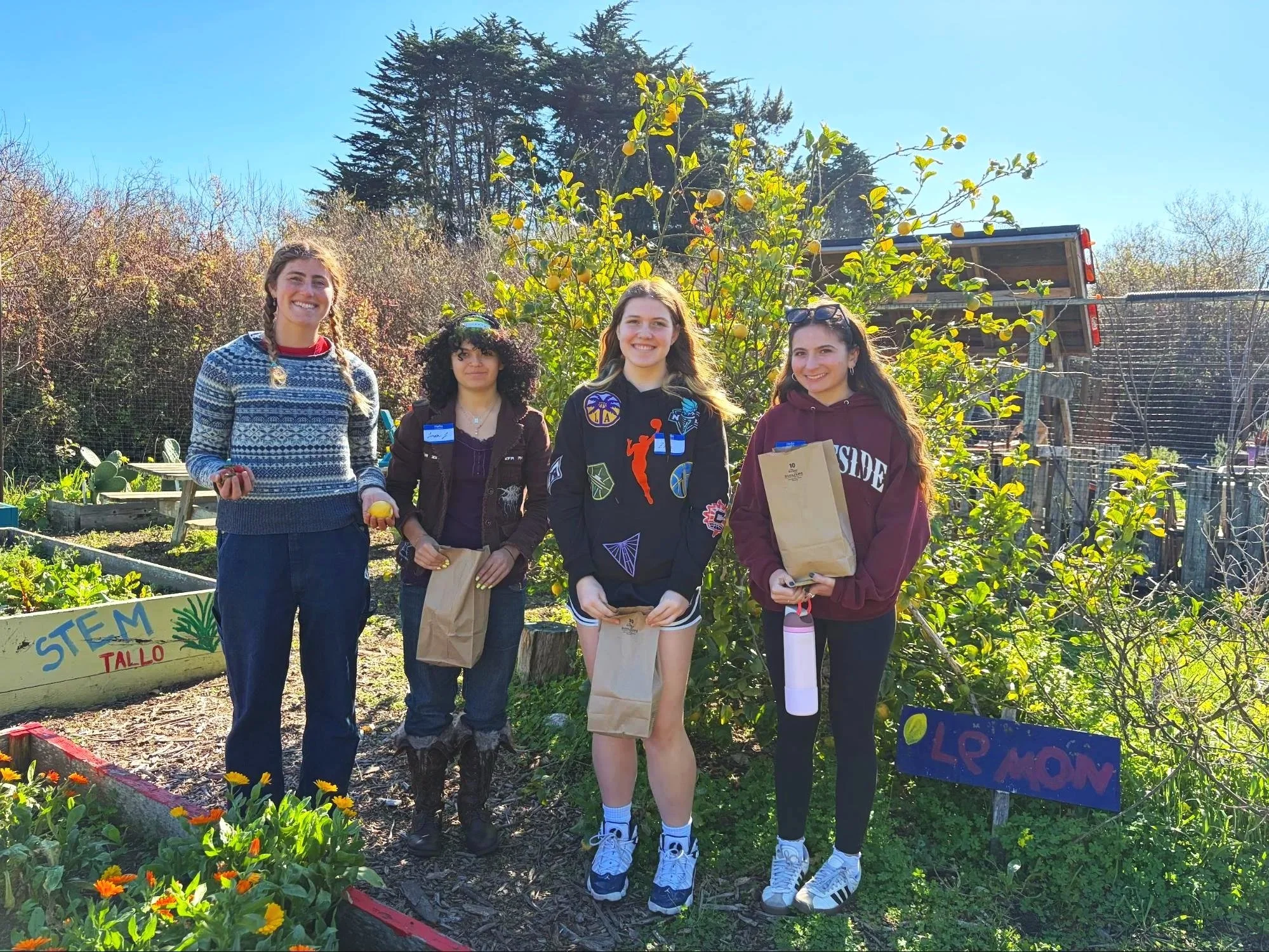
In the most recent session of our Student Advisory Board, we dug into this question and others, like:
What sticks with you long after the day is over?
How could our garden programs be even better for younger students?
The honest, thoughtful, and creative conversation that followed reminded us why student voice matters. It’s about more than just sharing opinions; we intentionally integrate the voices of young people so we are able to reflect their lived experience, clear preferences, and sophisticated ideas about how learning works best.
What Students Love About Garden-Based Learning
The moments that are remember most are the ones where students are fully involved. Hands-on activities like harvesting, building, tasting, and creating stand out as exciting and meaningful. Being outdoors matters too. Compared to classroom-style lessons, the garden feels alive, active, and engaging.
Our student advisory board also highlighted the importance of independence. When students are trusted to do things themselves, to explore, and to make choices, they feel more invested. Learning feels better when it’s not overly controlled or scripted.
At the same time, some things just don’t work: Long explanations, repeated safety talks, and lots of rules quickly drain energy from an experience. Students prefer short instructions delivered as they work, rather than long talks before the fun begins.
What Makes Learning Stick
When students talked about their favorite school memories, a few themes came up again and again:
They remembered moments of shared experience, when everyone was doing something together. They remembered novelty, like field trips and being in new environments. And they remembered freedom, moments where they could choose who they were with, where they went, and how they engaged.
Students also reminded us that emotional safety matters. When environments feel supportive rather than strict, more students, especially introverted ones, are willing to participate and take risks.
In short, learning sticks when it feels social, new, and empowering.
Student Ideas for Memorable Garden Experiences
When invited to design their own ideal garden experiences, students brought forward ideas that were both creative and practical.
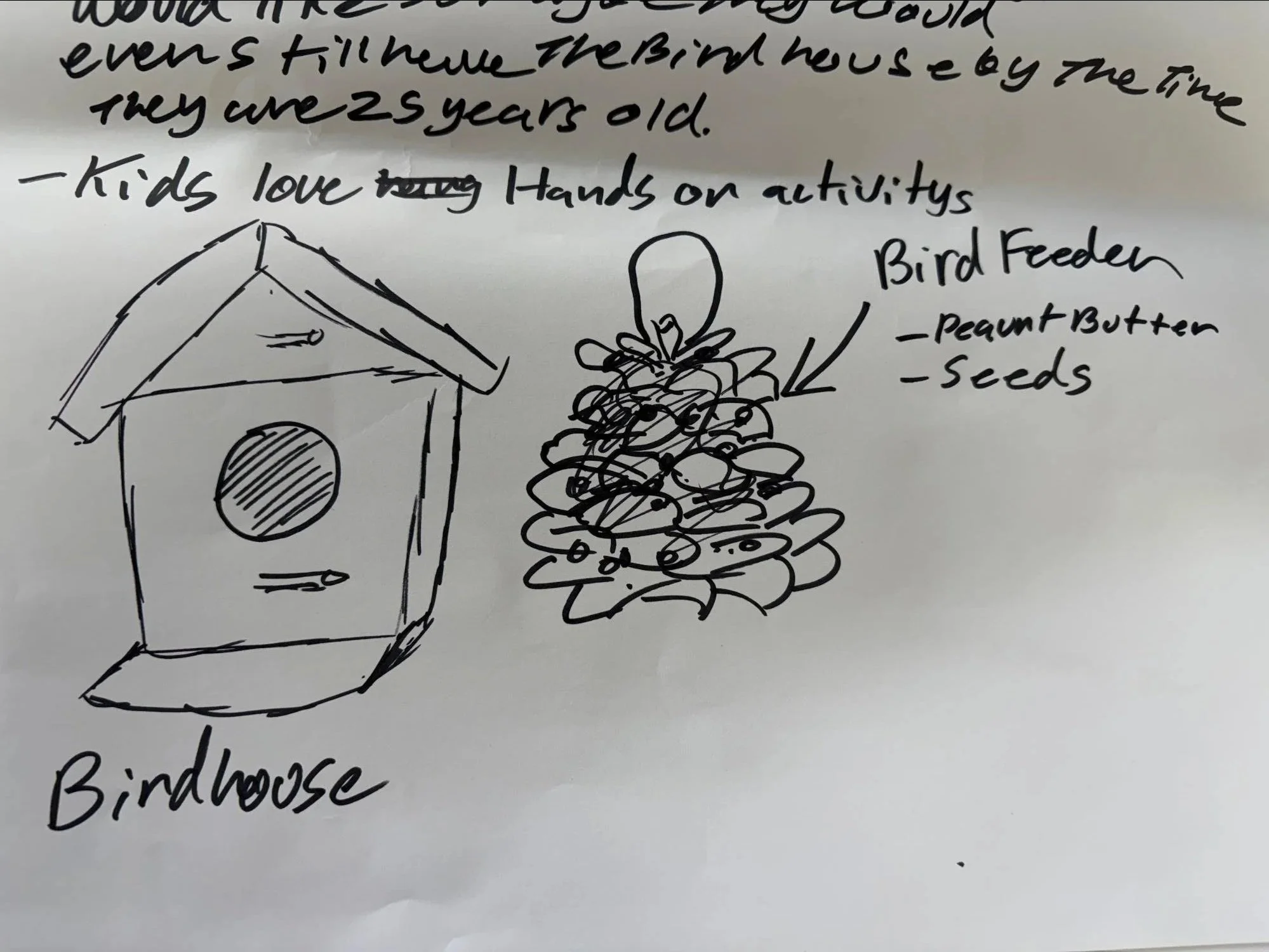
They imagined building birdhouses, making bird feeders, and learning about local wildlife. They talked about how creating something with their hands, especially something they could take home, would make the experience unforgettable. One student even imagined still having their birdhouse decades later.
They also suggested activities that involve sensory exploration, like bird watching, observing colors, or getting dirty in the garden. Even experiences that might feel uncomfortable at first, like mud or mess, were seen as memorable in a good way because they feel real.
Another popular idea was a garden station model, where students could choose between different activities such as cooking, art, observation, movement, music, or quiet exploration. This kind of structure gives students choice while still providing guidance and support.
What the Garden Should Represent
Students also shared how they think the garden should feel as a place.
They described it as a space about community, growth, care, and working together. When imagining a garden mural, they wanted something playful, colorful, and full of life. They suggested including bugs, plants, people, and hidden details that students could discover over time.
Importantly, they wanted the art to feel made for kids. Not polished or professional, but joyful, funny, and full of recognizable moments from their garden experiences.
Why This Matters
What stood out most was how clearly students understand what helps them learn. They want to be active, trusted, and engaged. They want learning to feel meaningful, social, and a little bit adventurous.
We are deeply grateful to the students who shared their time and ideas with us. Their insights will directly inform how we continue to shape and strengthen our garden programs. Listening to students is not just a nice addition to our work. It’s essential.
We’re excited to keep growing alongside them.