What Our Students Taught Us About Wellness
What does “wellness” look like for students in a farm and garden setting?
At our most recent Student Advisory Board session, we stepped back from assumptions and invited students to experience and evaluate a series of wellness-focused activities firsthand. Their feedback challenged some of our expectations and clarified what truly matters when designing meaningful, engaging programs.
Wellness is active, not just reflective
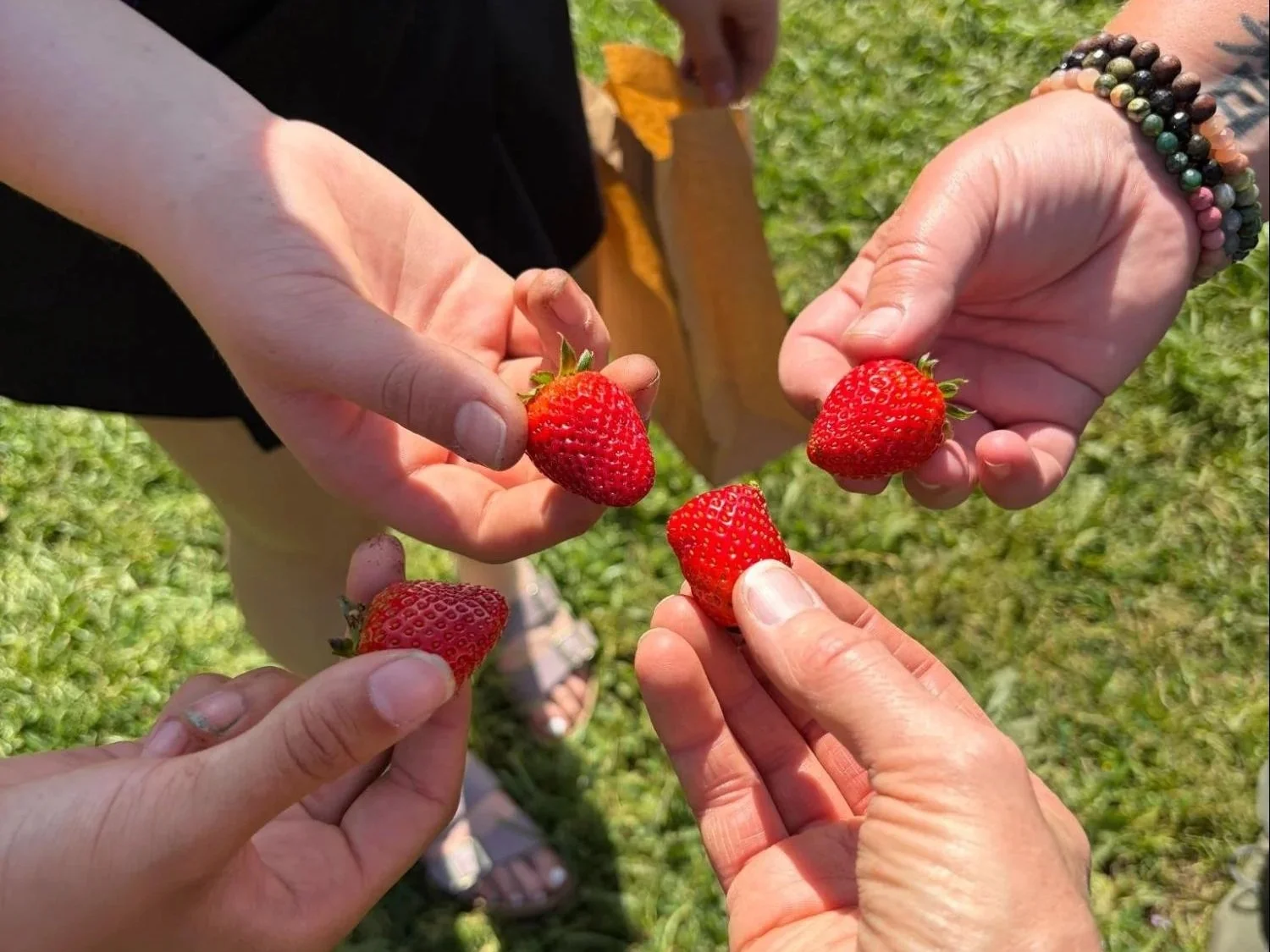
While activities like journaling and quiet observation were appreciated, students consistently emphasized the importance of hands-on, physical engagement. Tasks like planting, handling soil, and moving through the farm were described as both enjoyable and grounding.
Rather than sitting still and talking about feelings, students connected most when they were doing something tangible.
Autonomy drives engagement
One of the strongest signals from students was their preference for minimal instruction and greater independence. They valued having the freedom to explore, make choices, and interpret activities in their own way.
At the same time, they pointed out that some structure is still necessary. The takeaway: the most effective experiences strike a balance between clear guidance and open-ended exploration.
Reflection works best when it’s low-pressure
Students responded positively to quiet, individual reflection, especially during journaling and planting. These moments helped them slow down and notice their surroundings.
However, more direct prompts around emotions, particularly when paired with sharing out loud, felt uncomfortable for some. Students suggested that reflection should feel optional and personal, rather than something they are required to articulate publicly.
Social connection needs subtle support
While students enjoyed working together, unstructured social time sometimes led to awkward silence. They expressed interest in having light conversation prompts or shared goals to make interaction feel more natural.
This suggests that connection doesn’t happen automatically. It benefits from intentional, but gentle, facilitation.
Meaning comes from ownership and continuity
Students were especially engaged when they felt a sense of ownership, such as choosing a plant that reflected how they felt or participating in planting they could revisit later.
Experiences that allow students to see progress over time or connect to something they helped create were described as more memorable and meaningful.
Student ideas for what’s next
Advisors generated a wide range of ideas for future programming, including:
Sensory-based experiences like sound mapping, tea tasting, and aromatherapy
Guided calming practices such as meditation walks, yoga, and breathing exercises
Creative activities like watercoloring and rock painting
Choice-based “wellness stations” where students select their own activity
Across these ideas, a common theme emerged: students want choice, variety, and multi-sensory experiences.
A shift in how we think about wellness
Perhaps the most important takeaway is this: for students, wellness is less about explicitly talking about emotions and more about feeling engaged, grounded, and connected through meaningful activity.
As we continue to design and refine our programs, these insights will help ensure that what we offer is not only aligned with evolving funding priorities, but truly resonates with the students we serve.